Stitched Across Borders – From Village Dust to London Light
I was seven when I left Kayseri’s Develi Köyü with my father, leaving behind the rhythm of village life, the fields, the dust, and the single‑story houses that disappeared into darkness as soon as the sun set. I came from a big family, nine siblings including me, a house always full of voices, laughter, and the scraping of shoes at the door.
Before I learned anything about stitches or machines, I was a shepherd boy. My days were spent following the sound of bells tied around the sheep’s necks, walking with them across the hills from morning until nightfall. Most people around us worked the land or on building sites. It was honest work, but hard work.
My father hoped my hands would one day learn something different, something clean, skilled, something I could grow old with. He didn’t want my life to be swallowed by the same dust that lived in our clothes and hair. So, when he took my hand and said we were leaving, neither of us knew exactly what waited for us.
In Istanbul, the city rose over me in every way, louder, faster, and far bigger than anything I had known in the village. I never planned to be a tailor; as a boy I imagined plumbing or another practical trade. But my father had already decided.
He placed several of us into apprenticeships across the city, left to learn trades that would, hopefully, lift us out of the hard village work we had grown up with. Once he placed us where he thought we belonged, he went back to Kayseri.
My path led to a tailor’s shop run by two brothers, master craftsmen in men’s tailoring. My father asked if they would train me, and the agreement was simple: I would be an apprentice without pay, learning the delicate art of shaping cloth into suits that gave men presence through the suit on his back.
The shop became my whole world. By day, the cutting table held fine fabrics and half-finished jackets. By night, it became my bed. I slept where the suits were made, breathing in the smell of chalk, steam, and cloth, slowly stitching together the future my father had chosen for me.
The shop stood in the heart of Beyoğlu, opposite international offices. It was always alive with the footsteps of Turkish and Greek gentlemen, men who carried themselves with such elegance that even their conversations felt crafted. From them I learned Greek and refined my Turkish. Those years felt like living inside a novel, each day a new page, each person a character shaping me. What began as a child’s departure from a small village became the start of a life formed by craft, language, and a city that showed me how big the world could be.
Years passed, and soon it was time for military service. I was fortunate; I didn’t have to leave Istanbul. They stationed me in Kumkapı, next to a traditional Turkish tavern whose sounds and smells drifted into the barracks. Even in the army, tailoring found me. I handled alterations for soldiers, earning five or ten liras at a time depending on the work.
By then my father had passed away, and with his absence came a heavy shift. I became the man of the house far earlier than expected. I earned around 400 liras but told everyone it was 300 so no one would ask to borrow money. While other soldiers received support from home, I was the one sending money back. Every lira felt like a thread tying me to my mother, keeping us both standing. One day a sergeant confronted me, saying the machine and thread belonged to the government and I shouldn’t charge for alterations. Frustration rose in me faster than I could stop it. I replied, “Then tell the machine and the thread to do the alterations.” I feared I had gone too far, but he burst out laughing, and the tension vanished to my surprise.
My mother saved some of the money I sent her, just a little at a time, until she managed to put aside fifty liras. One day she sent it back to me, telling me to buy myself something. When I opened the envelope, the emotion was overwhelming.
Not long after, I heard talk of an opportunity to go to England to work as a tailor. It felt like a door opening in front of me. I gathered the documents and waited. A few weeks later, everything was ready. Just like that, the chance to start a new life in London had arrived.
Before leaving for London, I returned to Kayseri for my mother’s blessing. My brother helped me onto the train. Before I boarded, he handed me a giant watermelon, holding it like a precious gift. Looking back, it seems crazy, a young man traveling across borders with a watermelon on his lap, but at the time it felt natural. It was a piece of home. We looked at each other through the train window for a long time, waving until our arms grew tired. It felt like a final farewell. I was young, inexperienced, and stepping into a world far bigger than I imagined, yet I went, carrying hope, fear, and that watermelon.
I arrived in London on the 1st of August 1970, young and hopeful, with a plan: save forty thousand liras, half to open a business and buy a home, half as a safety net. I didn’t know the money I worked so hard to save would later lose its value to Turkey’s economic crisis.
People told me to visit a local café. “You’ll find men from home there,” they said. “They’ll help you find your feet.” Exhausted, I walked in and asked for water. A voice shouted, “Water is for donkeys! You’re in Europe now, we drink beer and Coke!” Later I learned the man mocking me was the very person I had been told to seek out if in need.
I was told of a place I could stay in Lewisham, far from familiar neighbourhoods. The house belonged to a Turkish Cypriot couple. From the moment they opened the door, their kindness softened me. They gave me a clean bed, fresh sheets, folded towels, and a feast. After the coldness I’d faced earlier, their generosity felt unreal.
Over dinner they explained that skilled machinists were rare, “like gold dust,” and factory owners were desperate for talent. Their words gave me hope. Maybe London had room for me after all.
Soon after, I worked for a well‑known Turkish factory in East London. I heard unsettling stories, workers taken in windowless vans so they wouldn’t know where they were going, passports confiscated, but no one ever told me such things directly. My own experience was decent and safe. A clean room, warm meals, and honest work were lifelines in a foreign city.
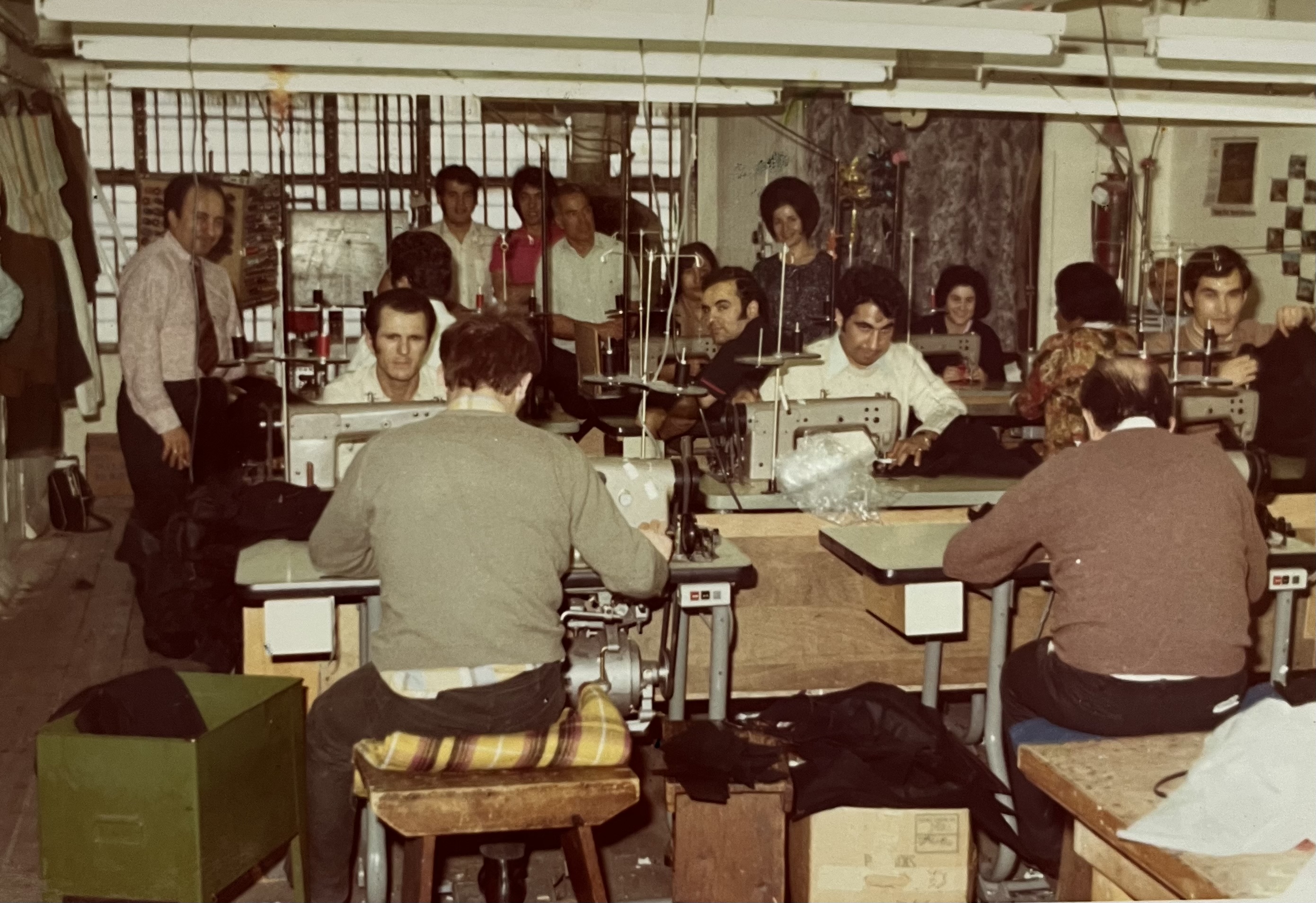
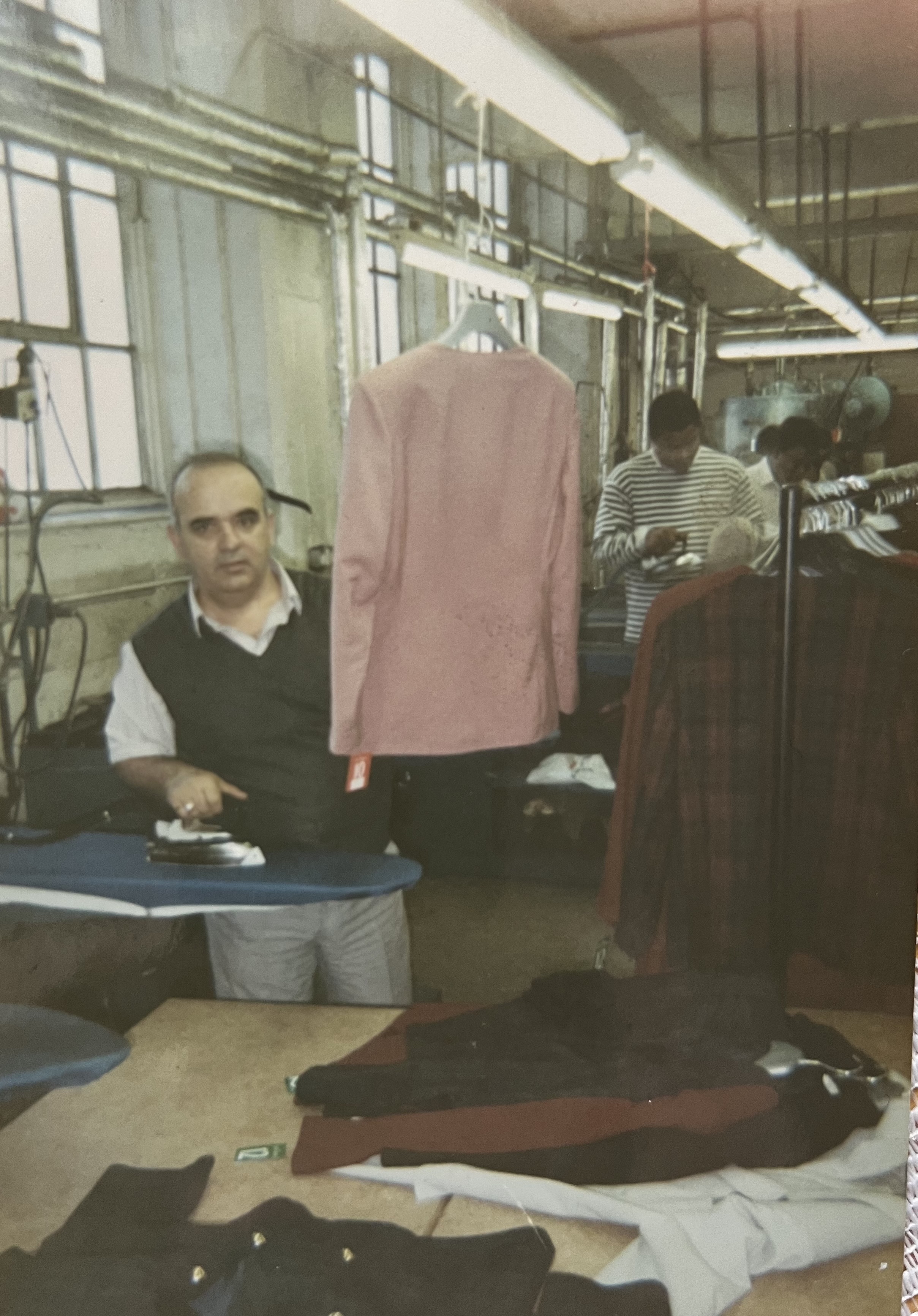
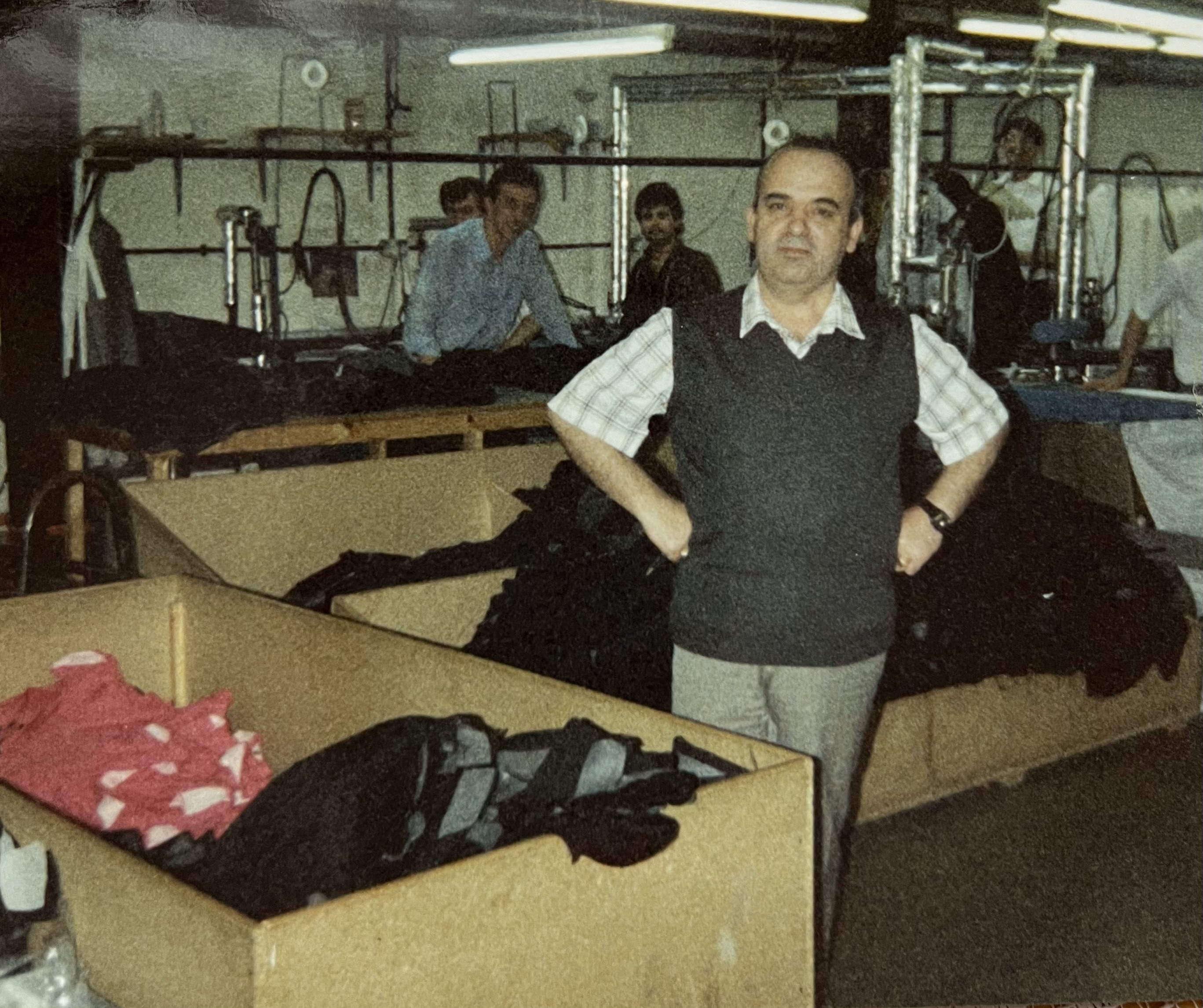
A few years later I found work at a Greek-run factory on Kingsland Road. I had never seen anything like it. All the sewing machines were linked, forcing everyone to work in perfect synchrony: one rhythm, one speed. It looked organised but made production painfully slow. The whole place moved like an old clock struggling to keep time.
I told the owner, “If you want me to run this place properly, we need to modernise. We have to go to David Martin and buy industrial machines.” He looked at me like I was mad, but something in my confidence persuaded him. We returned with eight brand-new machines. The change was instant. Each worker moved at their own pace. Energy lifted. The flow became natural, almost joyful. Production soared.
At the factory I worked alongside two spiritual women, one Greek Cypriot, one Turkish Cypriot. Despite politics dividing their homelands, they were inseparable. They made remedies for each other like sisters. If one felt unwell, the other brought blessed bread. When I was hungry, I sometimes ate the bread, and they scolded me for touching something sacred. I laughed and told them I needed healing of the heart, from a good Turkish girl. The Turkish Cypriot woman said, “There is a girl… but she’s too good for you. Men from Turkey have a bad reputation here, they marry local women just for passports.” I told her that wasn’t me, I wasn’t married, and I wanted a family.
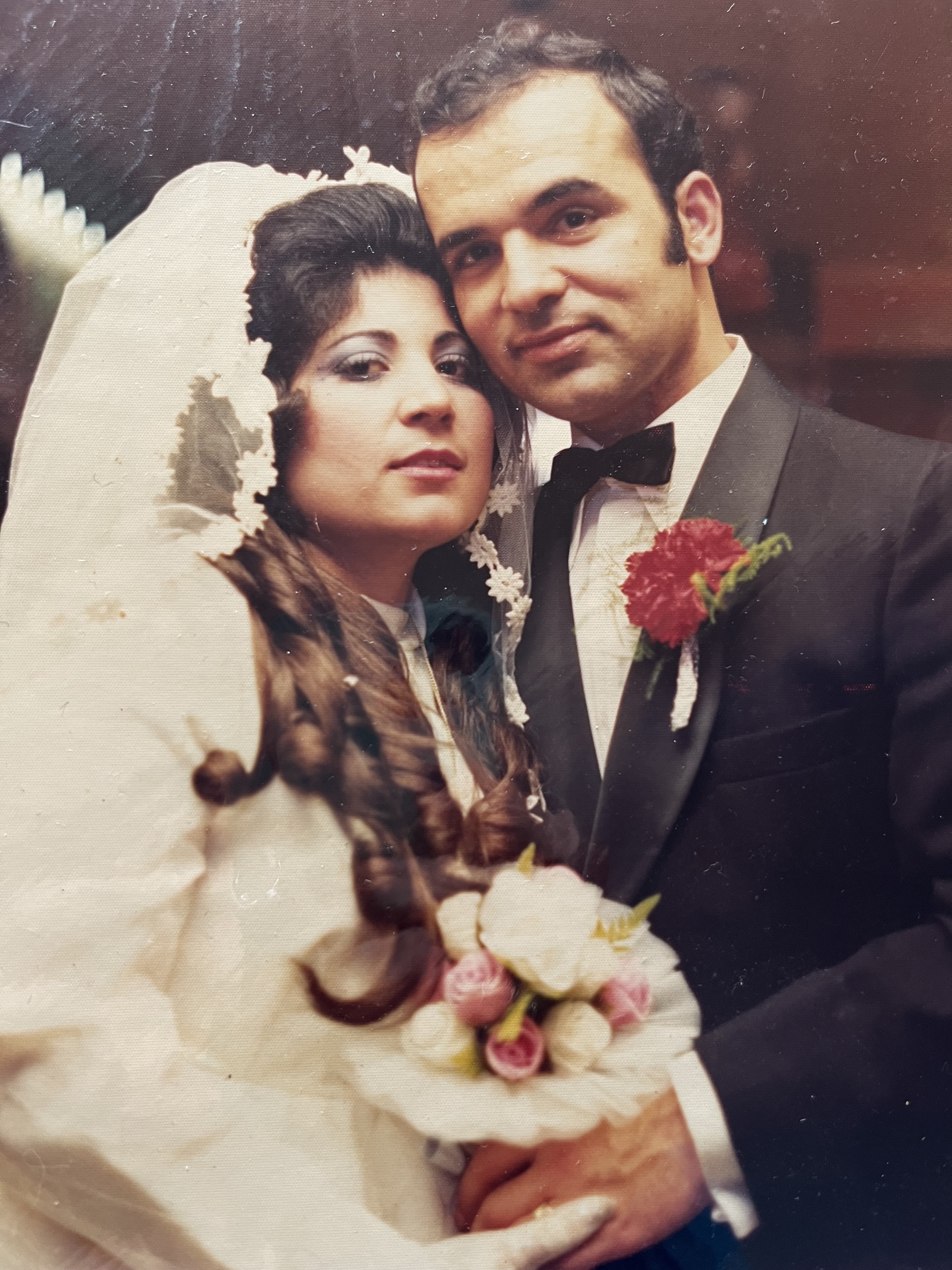
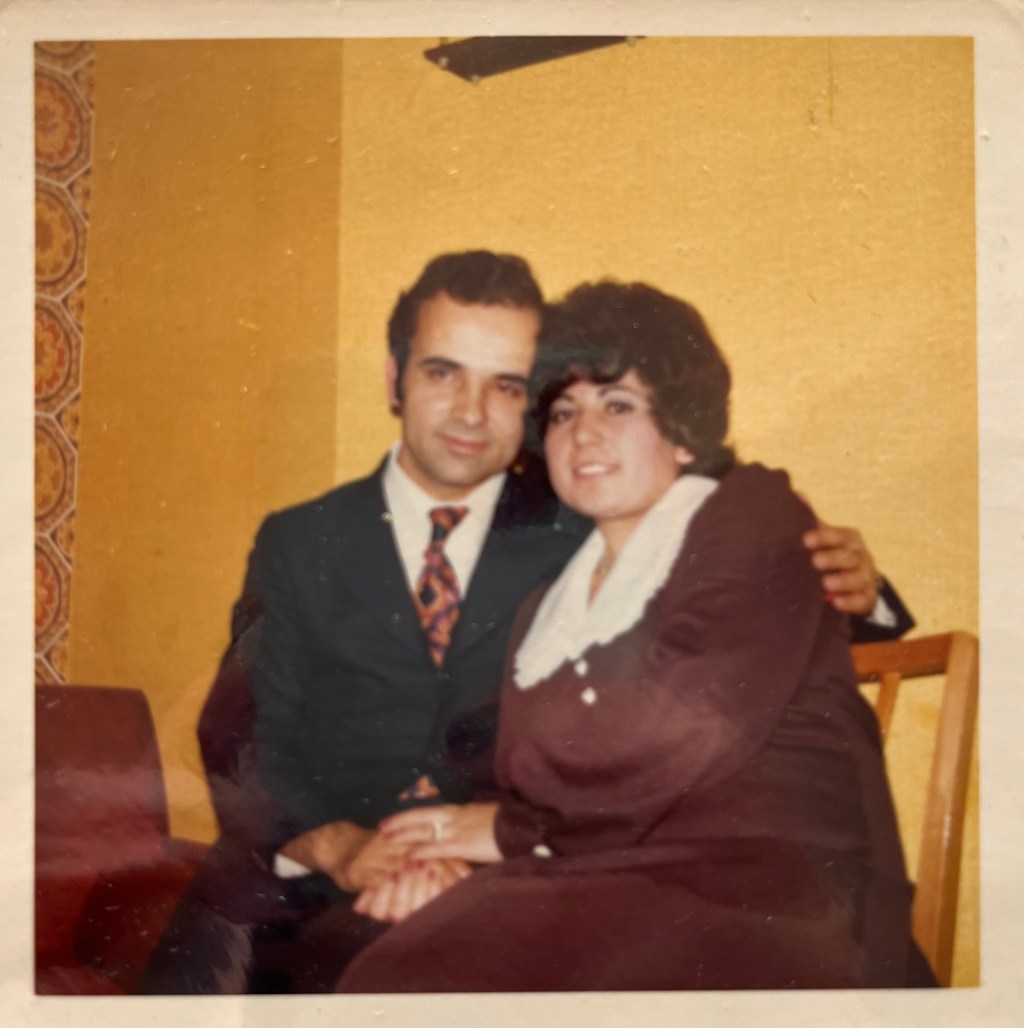
Soon she mentioned a young woman named Sevgül, visiting London from Northern Cyprus. “Talk to her,” they said. She and I had grown up in similar worlds, big families and working-class homes. When we met, something clicked quietly and naturally. I asked her to marry me. When she said yes, I kissed her immediately. She froze, cheeks turning pink. That innocence stayed with me. Our engagement was simple at home. Our wedding was at Aksaray in Hackney, with no family present, only friends and determination. We didn’t know any caterers, so we bought all the food ourselves at Spitalfields Market. It was humble but ours, every detail held by our own hands.
By 1985, I had enough experience to open my own a factory space in North London. For three years I ran it with pride, watching work grow and my life take shape in ways I couldn’t have imagined when I first arrived with almost nothing.
Then everything changed.
One afternoon I came across an article in Hürriyet, a photograph of a young man who had been killed, unnamed and unclaimed. Something in the face unsettled me. My heart whispered, Could it be him? But the image was small, blurred, easy to dismiss. I folded the thought away.
Months later my uncle called. His voice carried the truth I had feared. The young man was my brother, twenty‑one years old, laid to rest in a small town, alone. He had told my mother he was travelling to Saudi Arabia. In reality, he had visited a friend, then disappeared. He never came back.
My mother never learned the truth. Her heart was too fragile. I wrote letters pretending to be him, and my brothers read them aloud. Still, a mother’s heart knows. “Something is not right,” she often said. “He will never return.” She felt it, even without the words.
Losing him was painful enough, but losing him in such a lonely, tragic way left a mark that time never healed. The case remained under investigation, but no answers came, only silence. And silence can be the heaviest grief.
I’ve had many good days in London. The city gave me opportunities I would never have had back home. It shaped me and allowed me to build a life from almost nothing. Though, after all these years, I carry a quiet regret. Raising children between two cultures is not easy. When you move to a new place, you gain skills, language, and a different kind of strength, but you lose things too, and those losses run deep.
Sometimes I wonder what kind of father I might have been if we had stayed in the place that shaped me. But this is the path life gave me. London offered a future, but it asked for pieces of my past in return. It’s a trade I carry quietly, even now.


Love to hear your view