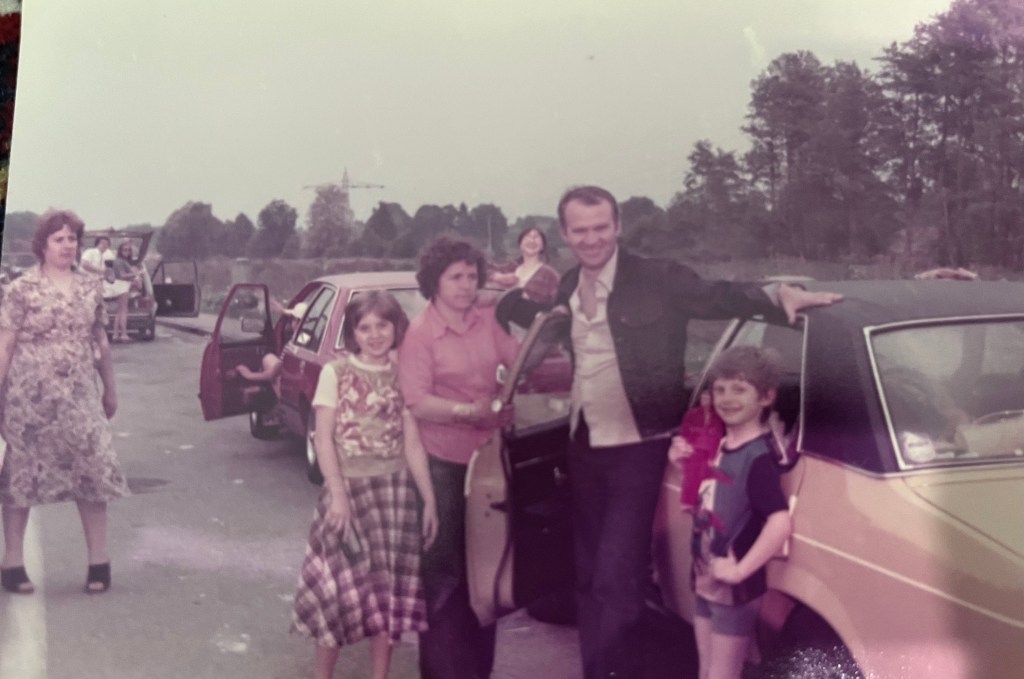
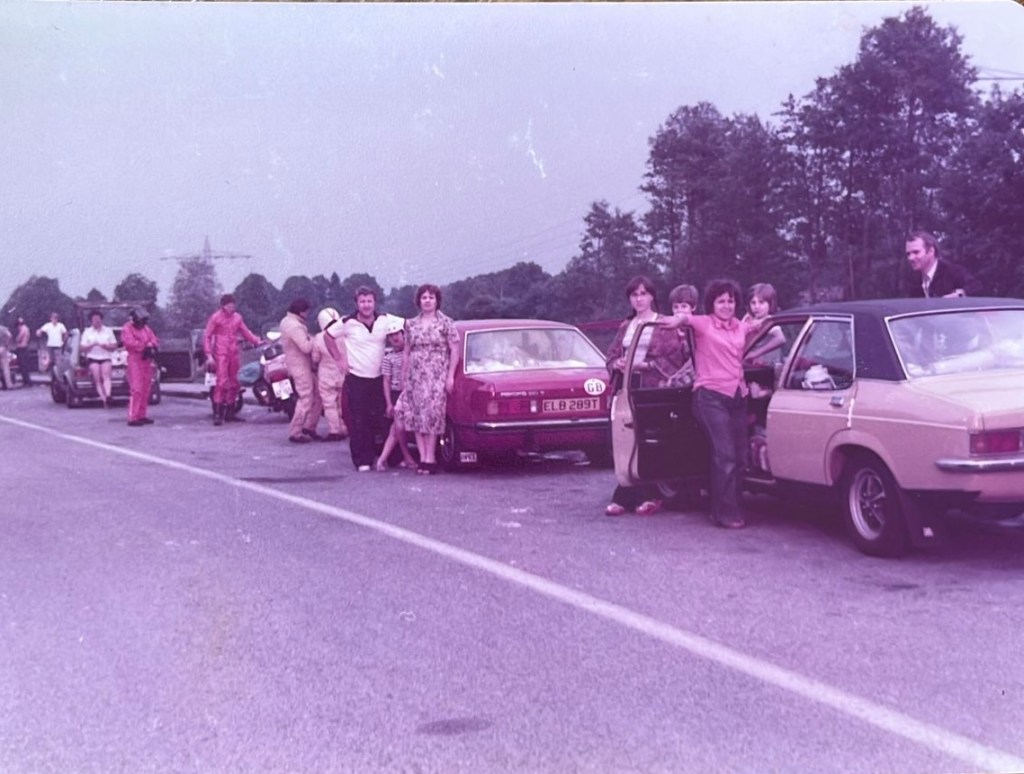
The red, white and blue nylon laundry bags. They came in various sizes, their swollen bodies sealed shut with layers of scotch tape, lined up obediently beside the Ford Granada. My brother at the back of the car, carefully smoothing the GB sticker onto the boot, while my dad wrestled with an oversized suitcase, attempting, once again, to force it into the rear footwell.
There was only one reason for this ritual. We were driving to Türkiye.
Every June, just before the summer holidays began, our parents took us out of school without fail. Sports days, end-of-year trips, sometimes even exams were abandoned without explanation. For four days, sometimes longer, we were folded into the car, beginning a journey that cut through six countries and stretched nearly two thousand miles. As a child, I believed these departures were impulsive, my dad waking up one morning and deciding on a whim, to drive to where he called home. It was only later that I understood the discipline behind it all.
Weeks before departure, the maps would come out: vast paper sheets of Europe, occasionally replaced by more detailed versions of the countries we would cross. He laid his highlighters neatly to one side, alongside a magnifying glass, because the £1-shop spectacles he owned could not be trusted with something so serious. In the evenings, he pored over the routes while turning the pockets of jackets brought home from the factory, preparing them for the next day’s sewing. Always within reach sat a glass of dark, well-brewed rabbit blood tea, strong, bitter and comforting. Roads were traced, motorway numbers listed, rest areas circled with care. Only once the route was mastered did the packing begin.
The car was filled to bursting. Food for the journey, items impossible to find once we arrived, and most of all, gifts. Enormous nylon laundry bags swallowed everything we could think of, presents in abundance, rolls of fabric, bundles of coloured thread, photo albums documenting where we lived, worked, studied and socialised, an analogue version of social media. Decorative napkins were added too, carefully folded, destined for the ever-expanding collections which were popular among teenage girls at the time.
The day before departure belonged to my mum. She launched into a food-preparation marathon designed to last the entire journey. The neighbourhood filled with the scent of cinnamon and clove, harmonising unexpectedly with onions and mint sweating in the next pan. She kneaded dough with a kind of ferocity, driven by a deep fear of running out of food, and having to communicate with locals along the way.
The rule of the journey was indulgence. We demolished a family-sized box of Golden Wonder crisps and followed by pick-and-mix, all washed down with cartons of Ribena. By the time we reached Dover, our stomachs were already uncomfortably full.
From Hackney to the coast, the soundtrack was prayers. Qur’an recitations played on cassette tapes collected through Esso coupons or Gratis points, looping endlessly. Occasionally the tape snagged in the player, and Mum patiently would turn the brown ribbon back into place with a biro. These recordings soothed her, a quiet faith that the words would carry us safely across borders and protect us from breakdowns.
Once the ferry, came to an end and we arrived in Ostend, the music changed. The prayers gave way to soft, melancholic songs of longing and separation. Mum would slip off her headscarf, turn up the volume, and light a cigarette for my dad using the car’s automatic lighter. The windows were lowered halfway, the smoke spilling into the night air, as much to keep him awake as to signal a shift. Aachen became the next fixation, then Frankfurt.
Belgium brought relief; Germany meant rest. We stopped at the border, sleeping curled into the car. At dawn, my dad would wake and set off again. That was when we began to notice them, the others. Fellow travellers on the same pilgrimage.
We moved in loose convoys of families like ours, formations that dissolved and re-formed across Europe. There was comfort in numbers, in the unspoken assurance that help would come if a tyre burst or an engine failed. At rest areas, it felt like a reunion planned long in advance. Mini gas cylinders emerged for fresh coffee, backgammon boards were unfolded, stories exchanged. Migrant folk songs filled the air while children ran free, competing to teach one another the most offensive swear words in English, German or Turkish before collapsing into laughter.
When it was time to leave, there was hugging, kissing, and the inevitable exchange of food.
Austria’s winding roads brought unease, which deepened as we entered Yugoslavia’s narrow mountain passes. None of us knew then what this beautiful land would endure less than a decade later. Speeds slowed to a crawl; it felt quicker to walk, if only there weren’t sheer cliffs and oncoming traffic. The tunnels through the Karawanks mountains seemed endless, enter at sunset and emerge in darkness, merciless places for weak bladders.
Before the breakup of Yugoslavia, hotels were scarce, and often all five of us slept in the car, limbs overlapping, stopping at borders or service stations where familiar faces reappeared.
Bulgaria offered brief mercy to GB or German plates. A boarder officer would smile knowingly.
“Dobar den, komsi,” he’d say. “Any German chocolates? English tea?”
My dad laughs about it now, calling them good memories. Still, he preferred Bulgaria as our final stop, even if it meant night-long guard duty shifts between my mum and brother. I didn’t understand why we raced so desperately towards the motherland yet refused to sleep there, until I learned about the political tensions waiting beyond the border.
After nearly two thousand miles, countless arguments, eighty gallons of fuel and endless stops, we reached what my parents called paradise. Border queues stretched endlessly, heat softening the tarmac beneath us. Heads leaned out of windows, searching the horizon.
It was always my mum who saw it first, the crimson and white, the star and crescent waving proudly.
“It’s there! We’re here! We’re really here!”
At Kapıkule, everything shifted. The melancholy songs vanished, replaced by çiftetelli. The car erupted, clapping, laughter, shoulders shimmying in their seats, as if the journey itself had finally exhaled. Mum would hand over our passports, wiping away tears she never explained.
“Thank you, brother. Where in Turkey are you from?”
Before the clean-shaven, patient officer could answer, she would interrupt.
“It doesn’t matter. Every inch of our motherland is beautiful. Say hello, kids. They speak fluent Turkish; I would never let them forget their heritage.”
My dad would try, unsuccessfully, to calm her. If the call to prayer echoed nearby, all hope was lost.
“şükür,” she would pray aloud, “for letting us see our flag and hear our ezan on this soil.”
She would light another cigarette for dad again, turn the çiftetelli up, and slip her headscarf back on. We were still hours away from the streets they called home, but the celebration had already begun.
 More Than A Bundle Story
Love to hear your view