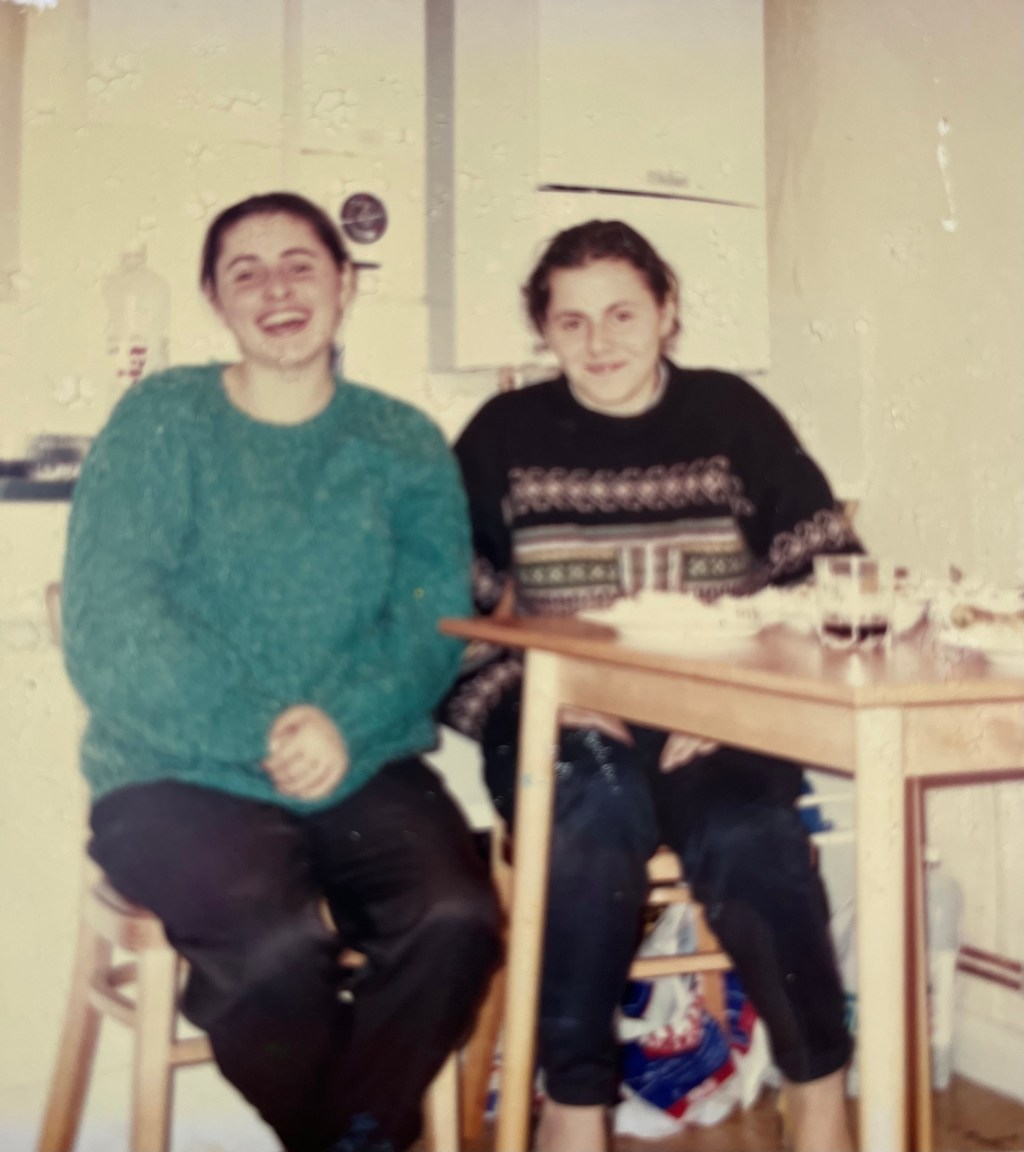
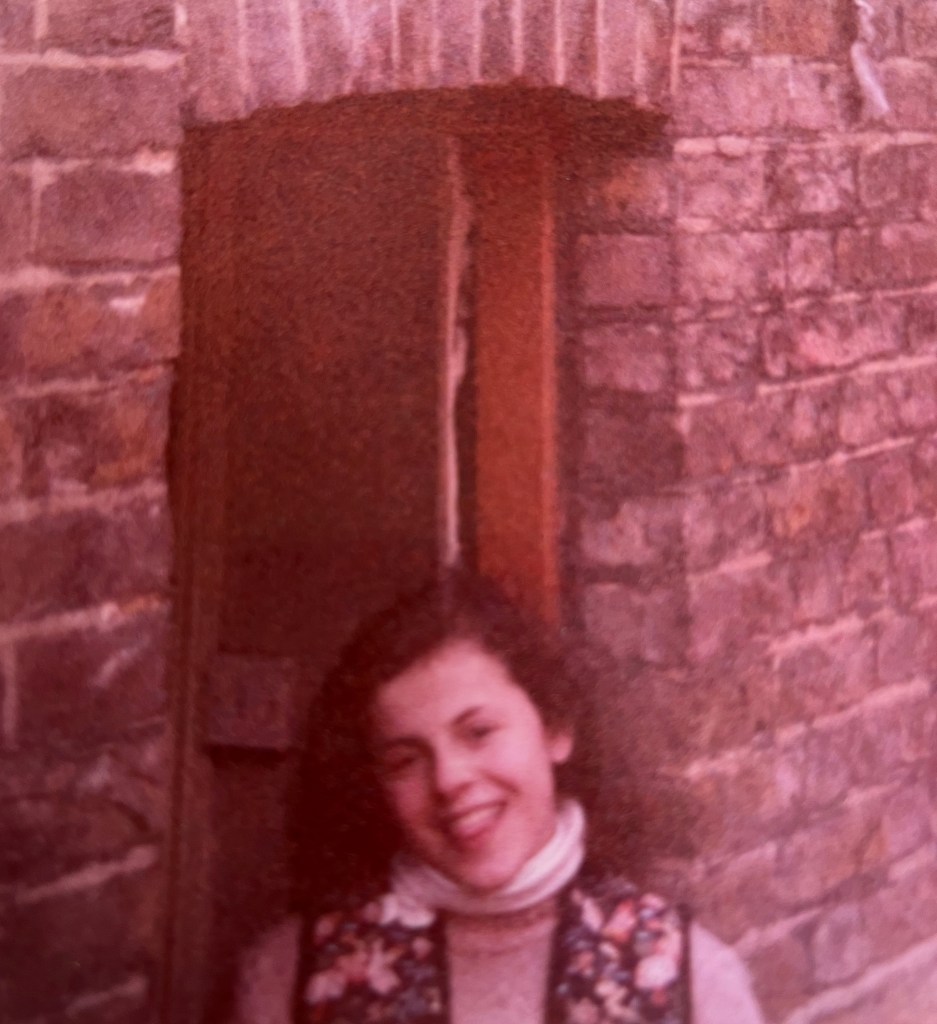
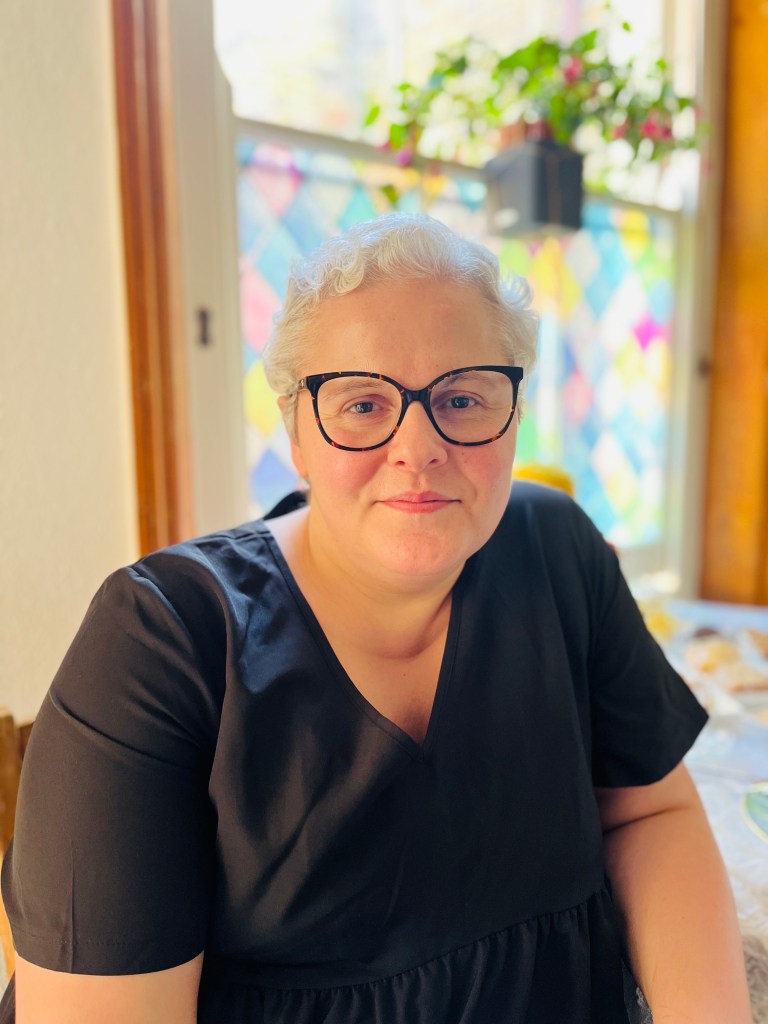
Selda Abrakomize – How Curiosity shaped her life.
After my parents separated, my dad remarried a woman from London and decided both me and my older sister leave Türkiye to move to the UK with him and his new wife, who had now become our mum. I was 12 and full of curiosity—everything felt so different, so colourful, and new. Even small details like road markings fascinated me. I didn’t know what to expect, but I arrived with a heart full of excitement.
At first it felt strange living in shared accommodation with our mum and strangers. We were surrounded by other Turkish families, but their accents were very different from what I was used to. I particularly loved hearing people from Northern Cyprus—their accent had a melody to it.
Before we started school, my dad had to work during the day and was worried I might wander off in my curiosity, so he would lock the door when he left. I hated being stuck inside—it was boring, and there wasn’t much to do. Thankfully, I had my sister with me, and we leaned on each other during those quiet, early days.
Starting at Clapton Girls’ School was overwhelming—I didn’t speak a word of English, but there were lots of girls that didn’t and there were lots of girls that spoke Turkish and English, so the teachers grouped us altogether. Some teachers and students were incredibly kind and supportive, while others, were just really mean. Still, I had a good circle of people around me and found joy in the little things, like getting a chip butty at lunch or on the walk home.
During school holidays, there wasn’t much to keep us busy, so my parents arranged for me to work at a factory on Shacklewell Lane as a finisher. My job was to snip off stray threads from finished garments. It was tedious and repetitive, but I earned a little money, which I appreciated. Listening to the adults around me complain that their pay was barely enough to cover bills made me realise I wanted something more. I was determined to work hard at school, continue my education and find a job that fulfilled me as a person and financially.
Within a year, my English had improved so much that I started translating for others. I learned immigration-related vocabulary from our visits to the Home Office for own citizenship. What started off as the occasional help after school quickly grew. The demand became so high I was being pulled out of school and woken up in the middle of the night to interpret at hospitals, immigration centres, police stations and so many other official places.
I was only 13 when I had to interpret for someone having an abortion—at the time, I didn’t even understand what that meant, in Turkish or in English. Still, I was expected to accompany adults to appointments at all hours. Back then, mental health wasn’t something people talked about—especially not children’s mental health. I now realise those experiences had an emotional impact on me, but I didn’t have the words to express it at the time. Looking back, I see how much strength and resilience those moments have given me today.
By the time I finished school, many of my friends chose to get married and start families. This is what they wanted to do and they were happy with this choice, but my curiosity pushed me in a different direction. Traditionally it was expected for daughters to get married soon after they turned 19 – 20, we had many visitors knocking on our door asking for mine and my sister’s hand in marriage. Some were genuinely interested in settling down whereas others saw us as a free pass to gain citizenship.
I made an unorthodox decision: I told my parents I wanted to move out, live independently, and support myself. It was unheard of for a young woman to live alone before marriage, and it shocked my family at first. But my parents, who had raised me to be strong and self-reliant, respected my decision. My biggest supporters were my sister and my mum.
I worked hard and studied even harder. I have no regrets. Moving to London at a young age and working in those factories laid the foundation for everything I’ve achieved in adult life. I’m proud of my journey and the woman I’ve become.
 More Than A Bundle Story