Trigger warning – This story contains content of losing loved ones, miscarriages and a stillborn baby.
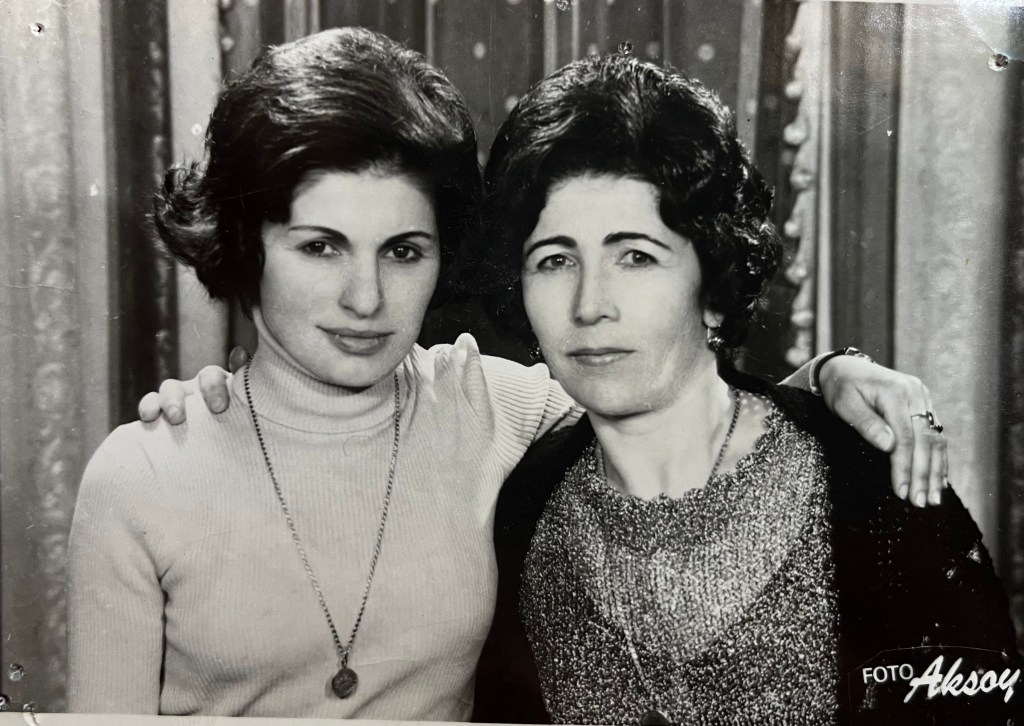
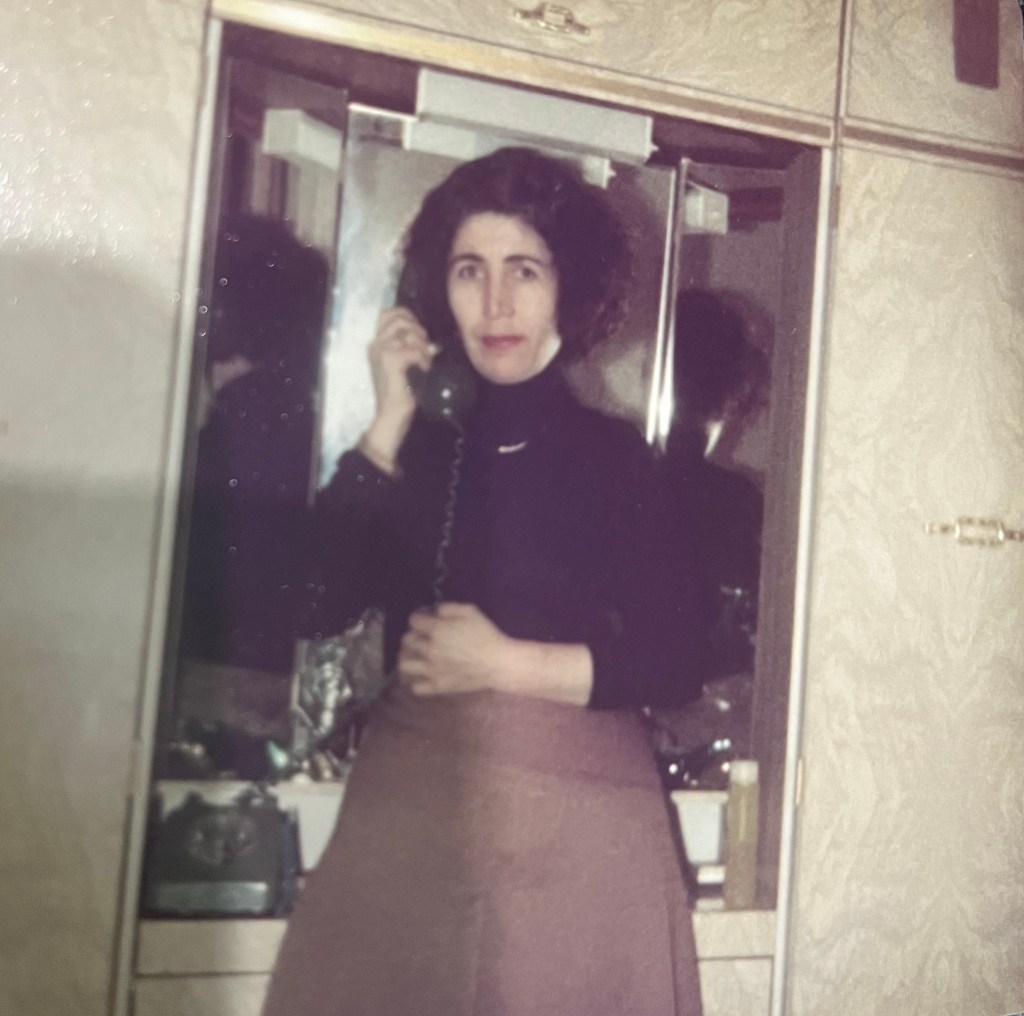
Her name, Pumpul, meaning süslü—someone with a flair for the fancy, a love for getting dolled up, the kind who delights in tasselled earrings and shimmering fabrics – a contrast to the life she lived.
Pumpul Abrakomize was one of the youngest of eight siblings, born and raised in a remote Georgian-speaking village nestled in the mountains of Artvin, Türkiye. Following the death of her parents at a young age, Pumpul’s life took a difficult and uncertain turn. With no stable guardian, she was taken in by families in the village, with an unspoken agreement, they would offer temporary shelter in exchange for labour.
From an early age, Pumpul worked tirelessly—cooking, cleaning, tending cattle, and helping in the fields. Her presence in each household was tolerated as long as she was useful. Eventually, one family, the Çakal family, who had taken Pumpul in, approached her older brother with a pressing question: what compensation would they receive in return for their “kindness”? Her brother pointed out that Pumpul was already contributing significantly to the household, but this did not satisfy them. To this they proposed a solution, their eldest son. A man considerably older than Pumpul. Her brother, overburdened with responsibility with his own family, agreed without protest. But the plan took an unexpected turn when the man fell ill and died shortly before they got married.
The death brought a mixture of emotions for Pumpul. Although she was spared from an unwanted marriage, she feared the consequences of no longer having value in the eyes of those who sheltered her. The family, having decided they had already invested too much in her care, quickly thought of a new arrangement. With no time to spare, Pumpul became a child bride to the family’s youngest son, Hafız. Still a child herself, physically and emotionally fragile she experienced her first miscarriage before she found out she was pregnant. This happened several times and when she finally did manage to get to the end of her pregnancy, she gave birth to a still born in the middle of a cabbage field. None of the children she gave birth to lived more than a few days. With each loss the deep silence grew into verbal attacks and the blame hung heavier her head. Her presence now had become an inconvenience, she was taking up space and not able to bear any children, she was failing her duty.
It was after they moved to İnegol, a small town in Bursa, Pumpul learned the art of sewing at a women’s atelier. During this time Hafız found out the UK was employing tailors from Türkiye, all her siblings and Hafız’s family were very encouraging, Pumpul didn’t mind either. Not that she had much of a choice but the rhythm of the sewing machine and sewing seams felt like mercy compared to the endless chores and the mournful blame of not been able to give a baby to this family. While other passengers were sent off with tearful embraces and sorrowful goodbyes, Pumpul’s family smiled from ear to ear, the glint of pound signs already gleaming in their eyes.
Like many expatriates of the time, Pumpul and Hafız settled into a single rented room, sharing a kitchen and bathroom with several other families. Just a day or two after arriving in London, Pumpul found herself seated behind a sewing machine in a factory not far from their new home in Stoke Newington. She adapted quickly to her new life—spending long hours at the factory during the day and bringing home bundles of garments to finish late into the night. Every penny she earned was handed over to Hafız, who sent it back to his family in Türkiye.
It was during this time that Pumpul suffered yet another miscarriage. Hafız told her he wanted a family. He said he understood she might not be able to give him children, and reassured her: she had nothing to worry about—he wouldn’t leave her. But he would be taking on a kuma, a co-wife. When Pumpul objected, Hafız left for Türkiye, leaving her behind to continue working. After all, someone still needed to send money home to support the extended family. Not long after, a letter arrived. Hafız wrote that his elderly father was ill and had one final wish—to see Pumpul before he passed. Without hesitation, she boarded a flight back home, determined to honour the dying man’s request.
But when she arrived, there was no ailing father waiting to greet her. In fact, the man was healthy and unaware of any such request. Instead, it was the kuma—the co-wife—who met Pumpul. Brazen and unapologetic, Hafız handed Pumpul a stack of papers to sign.
Though illiterate, Pumpul knew exactly what they were: divorce papers. Which she was willing to sign only she needed to know what her rights were. Just as she had suspected, Hafız had used the money she had worked tirelessly for to purchase property.
Word of her betrayal spread through the factory community back in London. Her colleagues, moved by her story, wrote a letter—each and every worker signing it—attesting that it was Pumpul’s earnings that paid for those properties.
Whether the letter reached the courts or changed anything legally, no one ever found out. But for Pumpul, it meant something far deeper: she had found something in London she had always longed for—a community, a family of her own.
Several years later, Pumpul remarried and wholeheartedly embraced this man’s two teenage daughters as her own. While many traditional families of the time wouldn’t even consider keeping pets, Pumpul agreed to adopt two dogs—simply because they made the girls happy.
Becoming a stepmother to teenagers wasn’t easy. She had never experienced the love of her own parents and didn’t know what it meant to be a mother, but Pumpul carried a huge heart and was able to pour it generously into the girls. Like any family, they faced daily ups and downs, but when she looked back to the turbulent days she had overcome, this was easy to navigate. Over time, however, Pumpul’s health began to decline. After suffering a stroke, her second husband decided to return to Türkiye, and they separated. By then, the girls were adults and living independently, though they remained in close contact with Pumpul.
As her condition worsened, she could no longer work. The family who once greeted her with joy—especially when she visited bearing gifts or paying off their debts—gradually stopped reaching out. In their place, it was the friends and community she built side by side the sewing machines, overlockers or finishers at various Hackney clothing factories who stood by her. They visited her regularly—first at home, then in hospital, and later at the care home she moved into.
Her daughters stayed close too, but when the pandemic struck, visits became from rare to non-existent. Her dementia worsened, and as her mind faded, so too did the familiar faces and routines that once anchored her.
In the end, just as she began her life, Pumpul was once again lonely—only now with the added fog of confusion. She died peacefully, yet alone, at the age of 79.
Her final wish was to be buried beside the parents whose love she had always yearned. Despite the many obstacles posed by COVID-19, her daughter made sure that her last and only wish was fulfilled.4
 More Than A Bundle Story